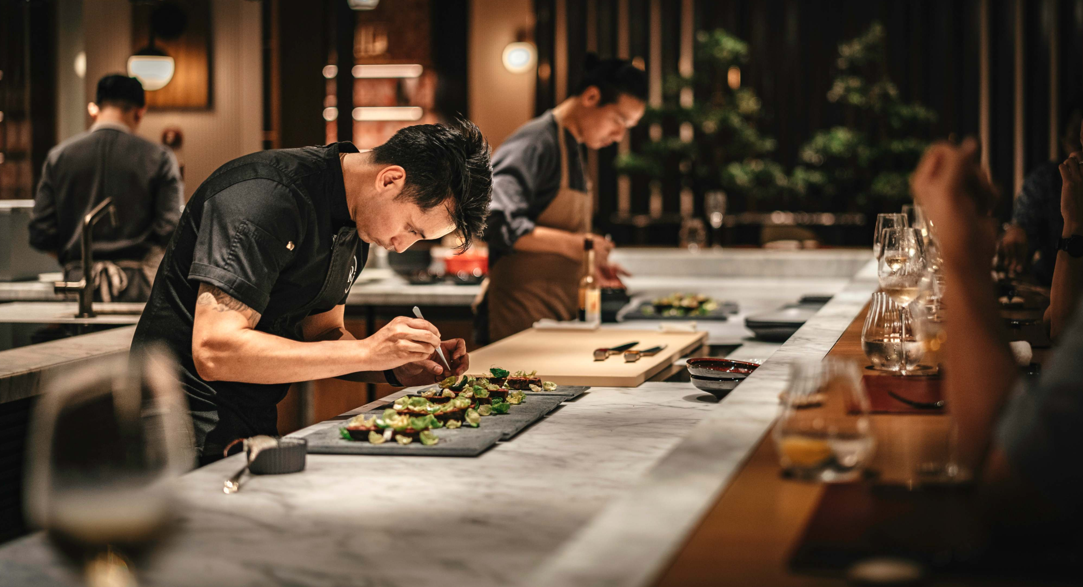
In an increasingly globalized food culture, restaurants are no longer confined to a single culinary identity. Instead, many are embracing a more fluid approach—combining traditions, techniques, and flavors from different regions to create something distinctive. This shift reflects not only changing consumer preferences but also a deeper appreciation for how diverse cuisines can complement one another.
Charleston, known for its rich food heritage, has become an ideal setting for this evolution. While the city continues to honor its Southern roots, it is also opening its doors to broader culinary influences that bring fresh perspectives to the dining scene.
When Two Cuisines Meet
Greek and Italian cuisines share more similarities than one might initially expect. Both emphasize fresh ingredients, simple preparation methods, and bold yet balanced flavors. Olive oil, herbs, grains, and seafood are central to both traditions, making them naturally compatible.
When thoughtfully combined, these cuisines offer diners a wider palette of tastes without feeling disconnected. A venue like Sultan’s Restaurant and Lounge reflects how two distinct culinary traditions can coexist harmoniously, creating a menu that feels both diverse and cohesive.
The Importance of Culinary Storytelling
Modern diners are increasingly interested in the story behind their food. It’s not just about taste—it’s about origin, inspiration, and cultural context. Restaurants that successfully blend cuisines often do so by preserving the essence of each tradition while introducing subtle innovations.
This storytelling aspect is what makes fusion concepts more engaging. Rather than simply mixing dishes from different regions, they create a narrative that connects flavors, techniques, and presentation styles into a unified experience.
Exploring a concept like Sultan’s Greek and Italian reveals how culinary identity can be expanded without losing authenticity. It shows that fusion, when done thoughtfully, is less about experimentation and more about understanding the roots of each cuisine.
Designing a Menu with Balance
A successful multi-cuisine menu requires careful balance. Too much variety can feel overwhelming, while too little can limit the experience. The key lies in selecting dishes that complement each other, both in flavor and in presentation.
Greek cuisine often brings brightness and freshness, with dishes that highlight vegetables, herbs, and citrus. Italian cuisine, on the other hand, offers richness and comfort through pastas, sauces, and baked dishes. Together, they create a menu that appeals to a wide range of preferences while maintaining a clear identity.
Beyond Food: Creating a Complete Experience
While the menu is central, the overall dining experience extends far beyond it. Interior design, music, and service style all contribute to how a restaurant communicates its identity. Spaces that combine multiple influences often reflect this blend visually as well, creating an environment that feels both inviting and distinctive.
In cities like Charleston, where dining is as much about atmosphere as it is about food, this holistic approach plays a crucial role in attracting and retaining guests.
A Direction for the Future
As diners continue to seek variety and authenticity, the trend of blending culinary traditions is likely to grow. Restaurants that can thoughtfully merge different influences without compromising quality will stand out in an increasingly competitive landscape.
The success of such concepts highlights an important shift in how people experience food. It’s no longer about choosing one cuisine over another—it’s about discovering how different traditions can come together to create something entirely new.
In this evolving culinary landscape, the ability to balance diversity with authenticity is what defines a truly memorable dining experience.