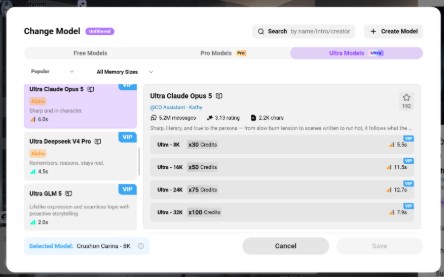
Claude Opus 5.5 has an unusual position. It is a premium Claude model, yet Anthropic has priced it below the previous Opus 5. It performs near Fable 5.1 on much of Anthropic’s professional work, while using fewer tokens and less compute. That makes it one of the most practical high-end Claude options in late 2026.
The model is mainly built for coding, long agent tasks, computer use, and professional documents. Creative writing is still a major reason people like Claude, though. Opus 5.5 often sounds more natural than a typical work model. For NSFW AI chat, the writing quality can be great, but Anthropic’s safety layer remains a serious limit.
Opus 5.5 Is the New Value Pick in Claude’s Premium Line
Anthropic launched Opus 5.5 as the first model in its 5.5 family. The company says it reaches Fable 5.1-level performance on most work and costs about 40% less to run than Opus 5 on typical workloads. That cost claim includes both lower token prices and better efficiency per task.
Opus 5.5 costs $4 per million input tokens and $20 per million output tokens. Cache reads cost $0.20 per million tokens. Opus 5 costs $5 for input, $25 for output, and $0.50 for cache reads. The price difference looks small at first, but long agent sessions reuse a lot of context.
Fast mode pushes Opus 5.5 to as much as 2.5 times the normal speed. It also doubles the base token price to $8 input and $40 output. That option makes sense for coding teams that value time. It is overkill for most casual chat.
Anthropic recommends Opus 5.5 as a daily driver for serious coding and knowledge work. That is a notable change. Older Opus models often felt like the expensive option saved for the hardest job. Version 5.5 is priced to run more often.
The model also keeps a one-million-token context window and long output support. Those limits are useful for a large codebase, legal archive, or long manuscript. They can also hold a huge roleplay world, though raw context size does not guarantee good memory retrieval.
Pricing Puts Opus Between Sonnet and Fable
Claude now has several premium lanes. Sonnet 5.5 is the faster, cheaper everyday model. Opus 5.5 is the careful premium worker. Fable 5.1 is the top choice for ambitious, long-running coding and knowledge projects. Mythos 5.1 uses the same underlying model as Fable but serves restricted security and life-science work.
| Model | Input per 1M tokens | Output per 1M tokens | Best fit |
| Claude Sonnet 5.5 | Lower-cost tier | Lower-cost tier | Everyday tasks, fixes, polished documents |
| Claude Opus 5 | $5 | $25 | Older premium coding and agent work |
| Claude Opus 5.5 | $4 | $20 | Daily premium coding, judgment, and writing |
| Claude Fable 5.1 | $10 | $50 | Hard, long-running knowledge and coding work |
Fable 5.1 is more than twice the price of Opus 5.5 at standard token rates. It makes sense when the job is difficult enough to justify the premium. It is not sensible for casual conversation or routine drafting.
Sonnet 5.5 runs more than 30% faster than Sonnet 5, according to Anthropic, and costs less for many workloads. It is the practical choice when speed and volume matter more than the deepest judgment.
Opus 5.5 sits in the sweet spot. It offers stronger judgment than a daily budget model and a much lower bill than Fable. For writers, developers, and small teams, that middle position is the real selling point.
Coding and Agent Work Are the Main Reasons to Upgrade
Coding is where Opus 5.5 makes its strongest case. Anthropic describes it as a major step above Opus 5. Early testers reported fewer steps, better context gathering, and less rework on large engineering tasks.
The model can stay active across long jobs. It reads several repositories, builds a plan, edits code, runs tests, and keeps working after one attempt fails. That persistence matters more than one flashy code sample.
Opus 5.5 also uses fewer tokens to finish many tasks. A cheaper price per token is nice. A model that needs fewer tokens is even better. The combined effect explains Anthropic’s claim of around 40% lower typical running cost versus Opus 5.
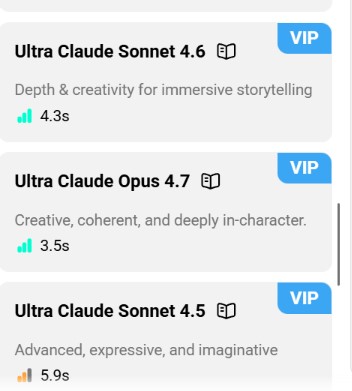
Fable 5.1 remains the stronger choice for the hardest autonomous work. It is built for jobs that last hours or days and cross several tools. Opus 5.5 gets close enough for many teams at a much saner price.
Sonnet 5.5 works well for bug fixes, well-scoped features, and everyday documents. It may finish faster and cost less. Opus earns its premium when the task is messy, ambiguous, or spread across a large system.
For a normal AI porn chat user, the upgrade is worth it when wrong turns are expensive. If the model needs to understand a complex codebase or make careful tradeoffs, Opus 5.5 can save time. If the job is a short email or simple script, Sonnet is the less bougie choice.
Creative Writing Feels Human but Community Opinion Is Split
Claude has a long reputation for warm prose. Opus 5.5 continues that strength. It follows style rules, keeps important details near the front, and often avoids the stiff “AI essay” sound found in some reasoning models.
Community feedback is not unanimous. Some writers say Opus 5.5 has fewer obvious AI phrases and stronger scene fidelity than 4.6. They praise its dialogue and ability to track where a character stands, what happened, and why the moment matters.
Other users still prefer Opus 4.6. They describe the older model as a better creative partner with more emotional intuition. To them, 5.5 feels cleaner but less magical. Both reactions can be honest because creative taste is not a benchmark score.
Opus 5.5 responds well to a clear voice guide. Give it sentence length, viewpoint, banned phrases, and a sample paragraph. It usually follows the brief without turning every scene into the same polished template.
Long context helps with novels and lore. The model can hold character notes, chapter summaries, and research. Writers should still keep a short canon sheet. A million-token window can contain the detail without retrieving it at the right moment.
The best upgrade path is a side-by-side test. Give 4.6, Sonnet 5.5, and Opus 5.5 the same scene. Judge voice, subtext, and revision quality. The answer may depend on the genre.
AI Roleplay Is Strong Until the Guardrails Step In
Opus 5.5 can be excellent at character voice. It handles emotional conflict, layered dialogue, and quiet scenes better than many coding-first models. It also stays aware of setting and relationship context.
For ordinary romance, that strength is obvious. The character can sound kind without becoming syrupy. It can disagree without turning into a lecture. It often writes slower, more believable emotional movement.
Sex AI use is more complicated. Anthropic applies safety safeguards to Claude. Adult scenes may be softened, refused, or redirected. The exact behaviour depends on context, interface, and current classifier rules.
Community reports show the split. Some users find 5.5 more capable at erotic prose than earlier Opus and Fable versions. Others say strict guardrails break scenes that older Claude models handled. These are user experiences, not guarantees.
The model is therefore better as a creative-writing partner than a fully uncensored companion engine. It can help build characters, dialogue, lore, and emotional arcs. It may not reliably carry explicit AI sex from start to finish.
Crush On AI and other dedicated platforms solve a different problem. They offer models tuned for roleplay freedom and let users switch when one backend does not fit the scene. Claude-like emotional depth is valuable, but dependable access matters too.
Opus 5.5 Is Great Value but Not the Universal Winner
Claude Opus 5.5 is the best-value Opus release in the current lineup. It is cheaper than Opus 5, much cheaper than Fable 5.1, and strong enough for serious coding, writing, and agent work. Sonnet 5.5 remains better for fast everyday tasks. Fable 5.1 remains the choice for the hardest long-running work. Opus 4.6 may still win a creative writer who loves its emotional style.
For roleplay, Opus 5.5 is smart, humanlike, and often lovely to read. Its weakness is not prose. It is predictable access to adult content. Strict safeguards make it a shaky foundation for dedicated NSFW AI chat. The model makes sense for users who do many things. A developer can code during the day, edit fiction at night, and explore character dialogue in between. That broad value justifies the price.
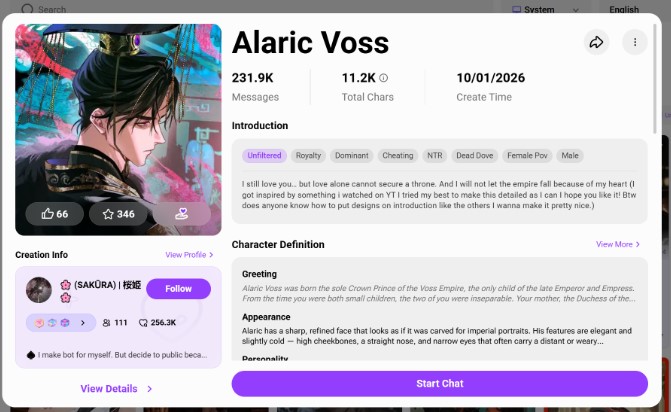
Users focused mainly on AI porn chat should look at a purpose-built service. Crush On AI provides companion tools, memory, and model options designed for long sessions. Opus 5.5 can inspire the writing, while a dedicated roleplay model keeps the adult story moving. The buying choice gets easier when users sort their week into real tasks. Pick Sonnet 5.5 when speed and lower cost matter all day. Pick Opus 5.5 when the work mixes code, research, long documents, and serious fiction. Pick Fable only when the job is hard enough to justify a premium price. Old Opus versions still make sense when a favorite workflow depends on their exact voice.