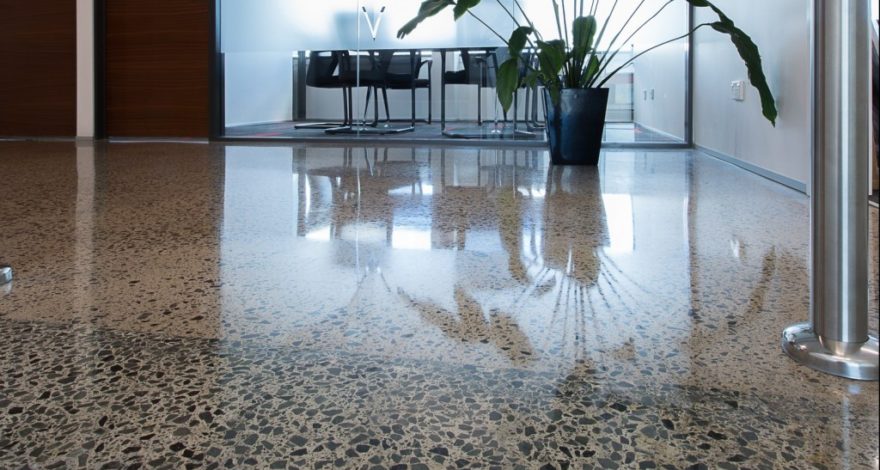
Choosing the right flooring material can significantly influence the durability, maintenance, and overall appearance of any space. Among the many options available, polished concrete stands out for its combination of strength, style, and sustainability. Over time, this flooring type proves to be a wise investment that delivers both functional and aesthetic advantages.
Durability and Structural Strength
Few flooring materials match the resilience of concrete. When properly treated and sealed, polished surfaces resist heavy foot traffic, equipment loads, and general wear. Unlike softer coverings that may chip or peel, the dense surface of polished concrete maintains its integrity for decades, reducing the need for frequent replacement or repair.
This durability not only extends the life of the floor but also minimizes disruptions caused by maintenance downtime. For spaces that demand long-term reliability, such as warehouses or public areas, this stability becomes a major advantage.
Low Maintenance Requirements
Polished concrete flooring is known for its ease of care. Routine cleaning often requires only dust mopping and occasional wet mopping with mild solutions. Because the surface is sealed, it resists stains and moisture, preventing deep absorption that can cause discoloration in other materials.
These low maintenance needs translate into cost savings over time. There is no need for waxing, coating, or extensive refinishing, which helps reduce labor and product expenses throughout the lifespan of the floor.
Energy Efficiency and Reflectivity
One often overlooked benefit of polished concrete is its natural light reflectivity. The smooth, glossy finish enhances ambient lighting, reducing the need for artificial illumination during daylight hours. This reflective property supports energy efficiency and contributes to a brighter, more open atmosphere.
In addition, concrete’s thermal mass helps regulate indoor temperatures. It absorbs, stores, and gradually releases heat, contributing to energy savings in both warm and cool climates.
Environmental and Sustainable Qualities
Polished concrete aligns well with sustainable building practices. Because it utilizes the existing concrete slab, there is no need for additional materials such as tiles, carpets, or adhesives. This reduces waste and resource consumption during construction or renovation.
The long lifespan of these floors also means fewer replacements over time, leading to a smaller environmental footprint. Combined with minimal maintenance chemicals, polished concrete supports a cleaner, more sustainable environment.
Design Flexibility and Aesthetic Appeal
Beyond practicality, polished concrete offers a wide range of design possibilities. Different levels of sheen, aggregate exposure, and color treatments allow customization that complements both modern and traditional spaces. The result is a sleek, professional finish that adds value and visual appeal.
Because it blends functionality with style, this flooring can enhance residential, commercial, and industrial interiors alike. Its timeless look ensures it remains attractive even as design trends evolve.
Long-Term Value Through Smart Investment
When evaluating flooring options, it is important to consider total lifecycle costs rather than just initial expenses. Although the upfront investment for polishing may be higher than some alternatives, the extended lifespan and low upkeep quickly offset that cost. Over time, polished concrete offers measurable financial and performance benefits.
For property owners seeking durability, sustainability, and lasting style, concrete solutions like polished flooring provide a dependable foundation. These surfaces combine strength with refined appearance, ensuring long-term satisfaction and enduring value in any setting.