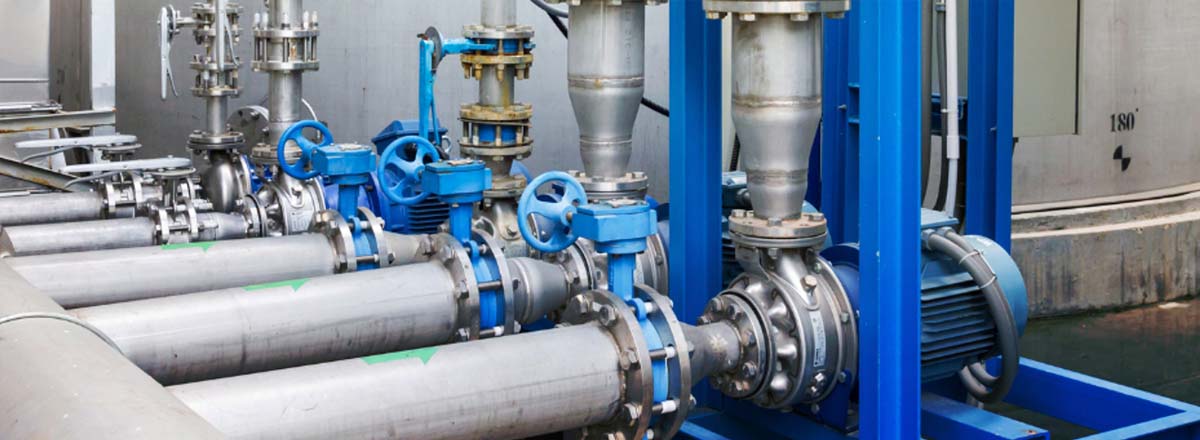
In industries such as food processing, pharmaceuticals, and chemical manufacturing, maintaining a clean and controlled environment is not optional—it is essential. One critical yet often overlooked aspect of facility design is how pipes pass through walls, ceilings, and floors. These openings, known as pipe penetrations, can become major sources of contamination if not properly sealed. Modern solutions like pipetite have emerged to address these challenges efficiently and reliably.
Pipe penetrations create natural gaps where contaminants such as dust, moisture, insects, and bacteria can enter sensitive environments. Traditional sealing methods, including metal wall plates and escutcheons, often fail to provide long-term protection. These rigid materials cannot adapt to pipe movement or vibration, which leads to cracks, gaps, and eventual failure. Over time, this not only compromises hygiene but also increases maintenance costs and risks regulatory non-compliance.
This is where pipetite offers a superior alternative. Designed as a flexible, self-sealing wall boot, it creates a tight and sanitary seal around pipes and tubes. Unlike traditional solutions, pipetite remains effective even when pipes shift or vibrate, ensuring continuous protection. Its flexibility allows it to maintain a secure seal without cracking or breaking, making it ideal for dynamic industrial environments.
One of the standout advantages of pipetite is its self-sealing design. It eliminates the need for additional sealants or caulking, simplifying installation and reducing labor time. The product features specially engineered ridges that ensure strong surface contact, resulting in an airtight and watertight seal. This design not only enhances efficiency during installation but also minimizes long-term maintenance requirements.
Durability is another key benefit. Made from hygienic silicone and reinforced with stainless steel components, pipetite is built to withstand extreme conditions. It can operate effectively in temperatures ranging from -40°F to 500°F and resists cracking, weathering, and water damage. Even after extensive exposure, it maintains its flexibility and performance, making it a long-lasting solution for industrial sealing needs.
In addition to durability, pipetite supports strict hygiene standards. Its materials comply with FDA requirements, making it suitable for industries where cleanliness is critical. By preventing contaminants from entering through pipe penetrations, it helps facilities maintain compliance and ensure product safety.
Another significant advantage is its versatility. Pipetite products are available in multiple sizes and configurations, accommodating a wide range of pipe diameters and applications. Whether used for plumbing, electrical wiring, or HVAC systems, it provides consistent performance across different environments. Its adaptability makes it suitable for both new installations and retrofitting existing systems.
In conclusion, proper pipe sealing plays a crucial role in maintaining safe and hygienic industrial environments. Traditional methods often fall short in meeting modern requirements, but innovative solutions like pipetite provide a reliable and efficient alternative. With its flexible design, easy installation, durability, and compliance with hygiene standards, pipetite has become an essential component for industries aiming to improve efficiency and maintain high levels of cleanliness.