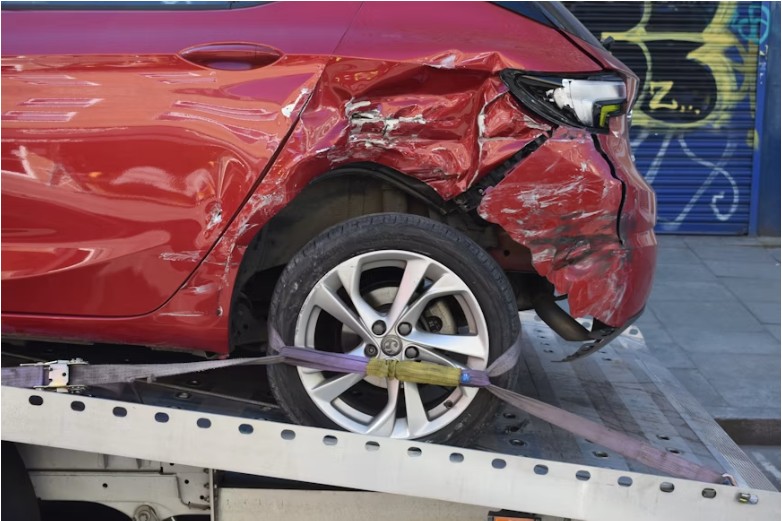
A car crash can leave injuries you can see. Cuts, bruises, fractures, and vehicle damage are easier to document. Emotional trauma can be harder to explain, but it can affect your life just as seriously.
After a crash, you may feel anxious behind the wheel. You may avoid certain roads. You may replay the accident at night or struggle to sleep. These symptoms can interfere with work, family life, and your sense of safety.
A claim may include emotional trauma when it is connected to the crash and supported by evidence. Boynton Beach car accident attorneys often review both physical and emotional harm when evaluating damages.
Emotional Trauma Can Be Part of a Claim
Car accident claims often include more than medical bills and vehicle repairs. Emotional trauma may fall under non-economic damages, such as pain and suffering or mental anguish.
Common emotional effects after a crash include:
- Anxiety
- Panic attacks
- Depression
- Nightmares
- Flashbacks
- Fear of driving
- Trouble sleeping
- Difficulty concentrating
These symptoms should be taken seriously. Still, they must be supported with documentation. Insurance companies usually need more than a general statement that you feel stressed or upset.
Florida’s Impact Rule May Matter
Florida emotional distress claims can be affected by the state’s impact rule. In simple terms, Florida has often required emotional distress damages in negligence cases to be connected to some physical impact or injury, although exceptions may apply depending on the facts. The Florida Supreme Court has discussed impact-rule issues and recognized exceptions in certain emotional distress cases.
In a car accident case, emotional trauma is often tied to a physical collision and physical injuries. That can make the claim different from one based only on emotional distress with no physical impact.
This area can be fact-specific. The stronger the connection between the crash, your injuries, and your emotional symptoms, the clearer the claim may become.
Symptoms May Appear After the First Few Days
Some people feel emotional effects right away. Others do not notice them until days or weeks later. Once the immediate shock fades, normal activities may feel harder.
You may notice that you:
- Avoid driving or riding in cars
- Feel tense near intersections
- Have trouble sleeping
- Replay the crash repeatedly
- Feel irritable or withdrawn
- Struggle to focus at work
- Feel panic when hearing brakes or horns
These reactions can affect your daily routine. If symptoms continue, medical or mental health care can help document what you are experiencing and connect it to the crash.
Medical and Mental Health Records Are Important
Emotional trauma is harder to prove without records. A doctor, therapist, psychologist, or psychiatrist can document your symptoms and recommend treatment.
Helpful records may include:
- Primary care notes
- Therapy records
- Mental health evaluations
- Medication records
- PTSD or anxiety diagnoses
- Referral notes
- Treatment plans
Consistent care matters. If you mention anxiety once but never follow up, the insurance company may argue that the problem was temporary. Ongoing records help show severity, duration, and treatment needs.
You should also tell your doctor about emotional symptoms, not just physical pain. If it is not in the record, it may be harder to prove later.
How Emotional Trauma Can Affect Compensation
Compensation for emotional trauma depends on how the symptoms affect your life. A brief period of nervousness may be evaluated differently from diagnosed PTSD that requires therapy and medication.
Relevant factors may include:
- How severe the symptoms are
- How long they last
- Whether treatment is needed
- Whether symptoms affect work
- Whether driving becomes difficult
- Whether daily activities change
Emotional trauma may also create economic losses. Therapy costs, medication expenses, missed work, and reduced ability to perform job duties can all affect the claim.
Insurance Companies Often Challenge These Claims
Insurance companies may be skeptical of emotional trauma claims because they are not always visible. They may argue that symptoms are unrelated, temporary, exaggerated, or caused by something else.
They may also focus on:
- Lack of diagnosis
- Gaps in treatment
- Prior mental health history
- Inconsistent statements
- Limited medical documentation
A prior mental health condition does not automatically prevent a claim. The key question is whether the crash caused new symptoms or worsened existing ones. Clear records can help show that difference.
Evidence Beyond Medical Records Can Help
Medical records are important, but they are not the only proof. Other evidence can help show how the crash affected your life.
Useful evidence may include:
- Personal notes about symptoms
- Statements from family members
- Work absence records
- Therapy appointment records
- Prescription receipts
- Photos of physical injuries
- Crash reports
- Witness statements
A Boynton Beach car accident attorney may organize this evidence to show both the emotional and practical impact of the crash. The goal is to present a clear timeline, not a collection of disconnected details.
Florida Fault and Filing Rules Still Apply
Florida’s modified comparative negligence rule may affect compensation. In negligence actions covered by the statute, a person found greater than 50 percent at fault for their own harm may not recover damages. If the person is partly at fault but not over that limit, compensation may be reduced by the percentage of fault.
Florida also gives two years for actions founded on negligence. This deadline may apply to many car accident injury claims.
These rules matter even when emotional trauma is part of the case. Evidence of fault, injury, treatment, and damages should be preserved early.
What You Should Do If You Are Struggling
Do not ignore emotional symptoms because they are not visible. If anxiety, panic, nightmares, or fear of driving affect your life, tell a medical provider.
You should also:
- Follow treatment recommendations
- Keep therapy and medical records
- Save prescription information
- Write down symptoms and triggers
- Track missed work or activity limits
- Avoid exaggerating or minimizing symptoms
Clear and honest documentation can help support your claim.
Conclusion
Emotional trauma after a Boynton Beach crash may be recoverable when it is connected to the accident and supported by evidence. Anxiety, PTSD symptoms, sleep problems, and fear of driving can affect your health, work, and daily life.
The strength of the claim depends on documentation, treatment, consistency, and the facts of the crash. FK Legal can review your case and explain how emotional trauma may affect your car accident claim.