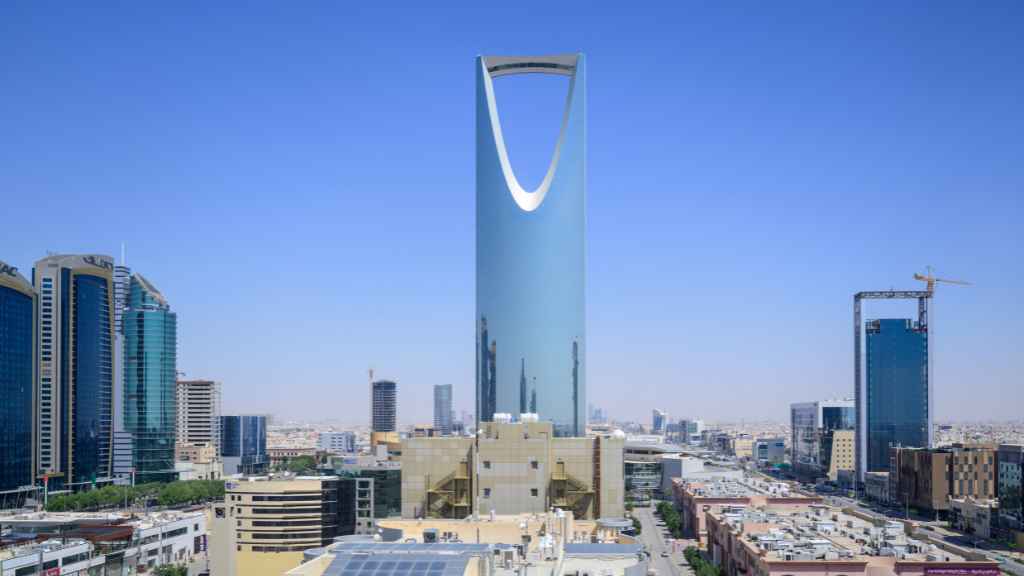
As the global economy navigates a period of rapid transformation, the diplomatic and economic relationship between the Kingdom and Saudi Arab is entering a sophisticated new chapter. While the ties have historically been anchored in the labor market, the dawn of 2026 marks a significant shift toward high-value sectors such as renewable energy, advanced technology, and premium agriculture. This evolution is perfectly mirrored in the latest Saudi Arabia business news, which highlights how the Kingdom is increasingly becoming a magnet for emerging market partnerships that align with its Vision 2030 objectives.
A Historic Milestone: The Joint Business Council
The establishment of the first-ever Sri Lanka–Saudi Arabia Joint Business Council in late 2025 has served as a pivotal catalyst for this relationship. Previously, economic interactions were largely informal or limited to specific labor agreements. Today, this council provides a structured platform for B2B (business-to-business) dialogue, allowing the private sectors of both nations to explore deep, sustainable investments.
Deputy Minister of Industry and Entrepreneurship Development, Chathuranga Abeysinghe, has emphasized that while 200,000 Sri Lankans currently contribute to the Saudi labor market, the future lies in “exporting expertise” rather than just manpower. This transition focuses on professional services in construction, hospitality, and healthcare, moving away from the low-skilled labor paradigms of the past.
Renewable Energy and the Green Hydrogen Vision
One of the most ambitious areas of collaboration is the renewable energy sector. Sri Lanka possesses a renewable energy potential that is 16 times greater than its projected domestic needs for 2050. This surplus offers a unique opportunity for Saudi investors, particularly in the production of green hydrogen.
Strategic Energy Targets
- Green Hydrogen Export: Sri Lanka plans to scale up its electrolyzer capacity to 30 GW by 2048, positioning itself as a regional hub for green ammonia and methanol.
- Offshore Wind Potential: With over 40 GW of offshore wind potential, the island nation is seeking Saudi capital to build the infrastructure necessary to convert this wind power into exportable energy sources.
- Decarbonization Goals: Both nations share a commitment to net-zero targets, making this a natural area for government-to-government (G2G) partnerships.
The Growth of the Saudi Debt Capital Market
While Sri Lanka seeks to attract investment, the financial landscape in the Kingdom is expanding at an unprecedented rate. According to recent reports from Fitch Ratings, Saudi Arabia’s debt capital market (DCM) is projected to reach $600 billion by the end of 2026. This represents a 15% increase, cementing the Kingdom’s position as a global leader in US dollar-denominated debt and sukuk issuance.
The rise of sukuk, or Shariah-compliant bonds, which now account for roughly 62% of the total outstanding debt, provides a stable and attractive environment for international investors. For Sri Lankan startups and medium-sized enterprises (SMEs), this deep capital market offers potential avenues for funding through joint ventures with Saudi brands that are flush with liquidity and looking for “world-class” innovative partners.
Technology, AI, and Premium Agriculture
Beyond energy and finance, the digital economy is a bridge between the two nations. Saudi Arabia’s heavy investment in Artificial Intelligence (AI) and the digital transformation of its cities creates a vacuum that Sri Lanka’s burgeoning IT sector is ready to fill. Sri Lankan startups, known for their agility and technical skill, are increasingly looking at the Saudi market as a launchpad for their IP (Intellectual Property).
In the realm of food security, the partnership is equally vital. Saudi Arabia’s focus on high-quality, authentic food products aligns with Sri Lanka’s unique agricultural exports.
- Unique Premium Crops: Sri Lanka is targeting the Saudi market with specialized products such as Ceylon tea, organic spices, and processed coconut products.
- Food Security Partnerships: Discussions are underway to establish production entities within the Kingdom, allowing Sri Lankan expertise to help localize food manufacturing in line with Saudi Arabia’s industrial diversification goals.
In the End
The synergy between Sri Lanka’s untapped natural resources and Saudi Arabia’s strategic capital is creating a powerful economic narrative for 2026. From the labor-intensive foundations of the past, a new structure is rising—one built on green energy, sophisticated financial instruments, and digital innovation. As the Joint Business Council continues to facilitate deeper private-sector ties, the “limited ties” of yesterday are rapidly becoming a cornerstone of regional prosperity. This partnership proves that when a clear national vision meets world-class expertise, the potential for growth is virtually limitless.