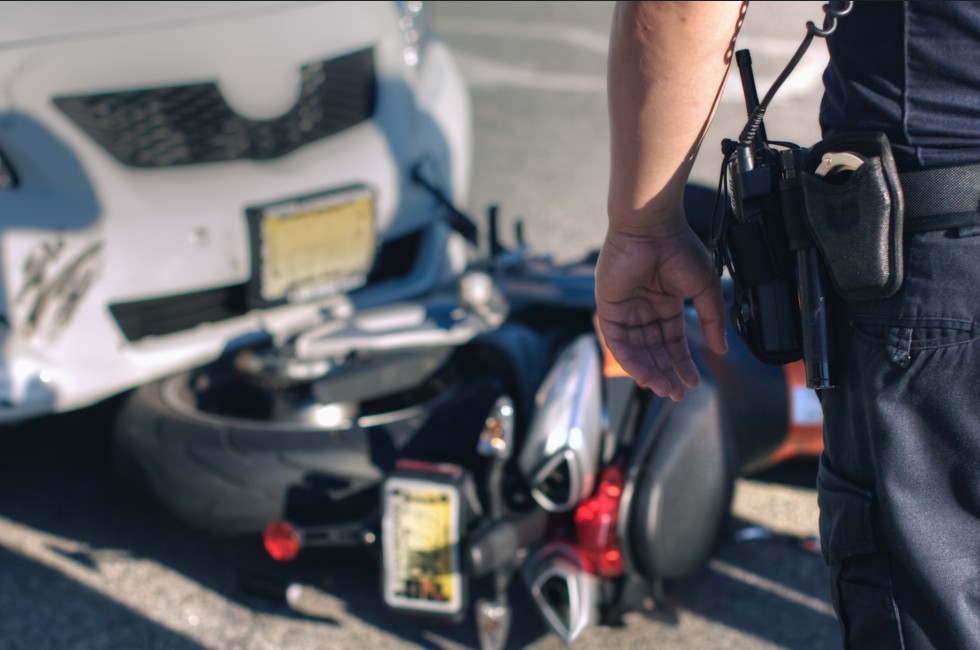
A motorcycle crash can turn a normal ride into a painful mess within seconds. One minute, you’re watching traffic. Next, you’re facing an ambulance, damaged gear, and a pile of bills. Recovery takes time. It also makes smart choices. After a motorcycle wreck in Washington, DC, your health should come first. Yet the legal side can’t sit untouched for too long. Photos can vanish. Witnesses forget details. Video clips may get erased. So, what should you do next? Here are the legal steps worth thinking about after a serious motorcycle crash.
Get Medical Care, Even If You Feel “Fine”
Adrenaline can play tricks on the body after a hard crash. Pain may feel mild at first. Hours later, your neck stiffens or your head starts pounding. Don’t brush that off. Motorcycle riders face a high risk of head, back, and bone injuries. Road rash can also lead to deep wounds and scars. Some harm isn’t clear right away. See a doctor and explain how the crash happened. Be clear about every sore spot, even small ones. Medical records can help connect your injuries to the wreck. Gaps in care may give an insurance firm room to question your claim. Follow your care plan, too. Attend checkups. Take prescribed drugs as told. Keep therapy visits when you can. Your health matters most, of course. Yet those records also tell the story of your recovery.
Save the Crash Evidence Before It Slips Away
Here’s the thing: accident scenes change fast. Cars get moved. Broken bike parts are swept away. Rain can wash tire marks from the road. A nearby shop may erase camera footage within days. If you’re able, take photos and videos at the scene. Capture your motorcycle, other cars, road marks, signs, and traffic lights. Keep damaged riding gear. Don’t toss your helmet, jacket, boots, or gloves. These items may show the force of the crash. You should also save the other driver’s details and witness names. Keep the police report number in a safe place. Write down what you recall while the event is still fresh. Small facts can matter later. Was the driver looking down? Did a car turn across your lane? Was traffic backed up? Memory fades. Notes don’t.
Be Careful When the Insurance Company Calls
An insurance adjuster may sound calm, polite, and helpful. That’s part of the job. Still, the insurer’s goal isn’t the same as yours. The company may ask for a recorded statement soon after the crash. You may still be in pain or taking strong medicine. That isn’t a great time to give a long account. A simple phrase can get pulled apart later. You might say, “I didn’t see the car until the last second.” The insurer may try to turn that into a fault claim. Don’t guess about speed, distance, or timing. Don’t play doctor and rate your injuries too soon. You also don’t need to rush into a quick deal. Early offers may come before doctors know the full scope of your harm. Once a claim settles, reopening it can be very hard.
Track Every Loss — Yes, Even the Small Stuff
Medical bills are only one part of a motorcycle accident claim. Maybe you missed two weeks of work. Perhaps you needed rides to therapy. You may have paid for bandages, medicine, or home help. Save those records. Keep a simple crash folder on your phone or computer. Add bills, wage records, receipts, and insurance letters. A short pain journal can also help. No need to write a novel each night. Just note real changes. Did pain wake you at 3 a.m.? Could you lift your child? Did you skip a family event because walking hurt? Those details show how an injury affects daily life. For riders with burn injuries or spinal cord damage, the costs may stretch for years. Future care, lost income, and home needs may become part of the claim.
Fault Can Get Tricky in a DC Motorcycle Case
Motorcycle crashes often bring unfair assumptions. Some people hear “motorcycle” and picture a rider speeding through traffic. That’s not proof. Still, bias can creep into an insurance review. Facts matter more than stereotypes. Phone records, video, vehicle damage, witness accounts, and crash data may help show what occurred. Washington, DC law also has a special rule for certain vulnerable road users, including motorcyclists. Under D.C. Code § 50-2204.52, a covered rider’s own negligence does not bar recovery unless it was a proximate cause and greater than the combined negligence of defendants who caused the injury. That legal detail can shape a claim. Fault should be reviewed based on the crash facts, not old myths about riders.
Watch the Clock — Some Deadlines Come Fast
Waiting too long can hurt a case. D.C. law sets time limits for many civil claims. Under D.C. Code § 12-301, a three-year limit applies to several types of actions. The exact deadline can depend on the claim and facts. There’s another catch. If a claim involves the District of Columbia, a written notice rule may apply. D.C. Code § 12-309 generally calls for notice to the Mayor within six months for certain unliquidated injury or property damage claims against the District. Six months can pass in a flash when you’re dealing with surgery, rehab, and work. That’s why early legal review can matter. It helps spot deadlines before they become a nasty surprise.
Don’t Repair or Sell the Motorcycle Too Soon
A wrecked bike may feel like a painful thing to keep around. You may want it gone. Wait before making that call. The motorcycle itself can hold key evidence. Scrapes, bent parts, impact marks, and broken pieces may help explain the crash. An expert may need to inspect the bike. Ask before approving major repairs, salvage, or sale. The same goes for your helmet and other gear. Think of the bike as part of the case file. It may look like twisted metal, but it can speak through physical clues.
When Legal Help May Make Sense
Minor crashes don’t always turn into long legal fights. Serious injuries are different. A lawyer may help gather records, speak with insurers, review faults, and value future losses. This can be useful when injuries affect work or daily life. Price Benowitz Accident Injury Lawyers, LLP handles a range of injury cases in Washington, DC. The firm’s work includes car, truck, motorcycle, bicycle, bus, and pedestrian accident matters. The team also works with people facing severe harm, including burns and spinal cord injuries. Speaking with a DC Personal Injury Lawyer may help you understand the next legal steps. A case review can also flag evidence or time limits that need quick care.
Recovery Isn’t Just About the Bike
Riders often talk about fixing the motorcycle first. That’s natural. Bikes mean freedom, routine, and sometimes years of hard work. But your body isn’t a machine with easy spare parts. Give your recovery the same care you’d give a prized bike. Get checked. Keep records. Save evidence. Think before signing insurance papers. A motorcycle crash can leave life feeling scattered. Taking one sound legal step at a time can bring some order back.
Frequently Asked Questions
1. How long do I have to file a motorcycle accident claim in Washington, DC?
Many civil actions in Washington, DC fall under a three-year time limit. The exact deadline depends on the facts and type of claim. Claims tied to the District may have much shorter notice rules. For certain claims against DC, written notice may be required within six months. Early legal advice can help protect key dates.
2. What if I was partly at fault for my motorcycle crash?
Being partly at fault does not always end a motorcycle injury claim in DC. Motorcyclists may fall under the District’s vulnerable road user law. The law limits when a rider’s own negligence can block recovery. Fault must be studied with care, using evidence from the crash.
3. Should I talk to the other driver’s insurance company?
You should be careful before giving a recorded statement. Insurance adjusters may ask questions while you’re hurt or unsure about key facts. Avoid guessing about speed, distance, or injuries. You can seek legal advice before giving a detailed statement or signing forms.
4. What damages may be part of a motorcycle accident claim?
A claim may include medical costs, lost wages, property damage, and pain tied to the crash. Severe injuries may bring future care and long-term income loss. Each case is different. Bills, medical records, work records, and daily pain notes can help show the full effect of the wreck.
5. Do I need a lawyer after a Washington, DC motorcycle accident?
You aren’t required to hire a lawyer for every crash. Legal help may make sense when injuries are serious, fault is disputed, or an insurer pushes a low offer. A lawyer can review evidence, deal with insurance talks, and track legal deadlines. That support may let you focus more time on healing.