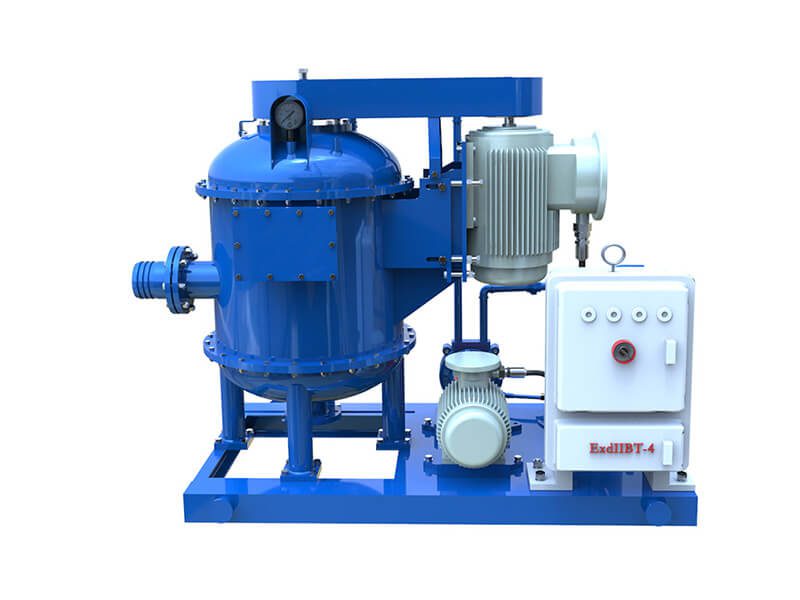
What Is a Vacuum Degasser?
A vacuum degasser is a specialised device designed to remove dissolved gases, free air and microbubbles from closed-loop heating and cooling systems. These gases can accumulate within circulating water over time, affecting system efficiency, increasing corrosion risk and causing operational issues. By creating a low-pressure environment, a vacuum degasser encourages gases to separate from the liquid and be safely discharged from the system. This process helps maintain water quality and supports long-term system performance.
Vacuum degassing technology is commonly used in commercial, industrial and residential hydronic systems where maintaining stable water conditions is essential for efficient operation.
Why Is Degassing Important?
Air and dissolved gases naturally enter water systems through filling processes, maintenance activities and small amounts of air ingress. Once present, these gases can cause a range of problems throughout a heating or cooling network.
Common issues associated with excessive air in a system include:
* Reduced heat transfer efficiency * Increased energy consumption * Corrosion of metal components * Pump cavitation * Noise within pipework * Reduced system lifespan
A vacuum degasser helps address these challenges by continuously removing unwanted gases before they can cause significant damage or performance issues.
How Does a Vacuum Degasser Work?
A vacuum degasser operates by diverting a portion of system water into a dedicated vacuum chamber. Within this chamber, pressure is reduced using a vacuum pump. The lower pressure causes dissolved gases such as oxygen and nitrogen to separate from the water.
Once released, these gases are collected and discharged, while the treated water is returned to the system. Modern vacuum degassing units often include intelligent controls, sensors and automated operating cycles to ensure efficient gas removal with minimal manual intervention.
This automated process allows the degasser to respond to changing system conditions and maintain consistent performance over time.
Benefits of Using a Vacuum Degasser
Improved System Efficiency
Air trapped within water systems can reduce the effectiveness of heat exchangers, radiators, cooling coils and other equipment. By removing dissolved gases and microbubbles, a vacuum degasser helps maintain efficient heat transfer and stable operating conditions.
Reduced Corrosion Risk
Oxygen is one of the primary causes of corrosion in closed-loop heating and cooling systems. Corrosion can lead to pipe deterioration, component failure and the formation of sludge or magnetite deposits.
Vacuum degassing significantly reduces oxygen content within the system, helping to minimise corrosion and extend equipment life. Laboratory testing has demonstrated that advanced vacuum degassing systems can reduce oxygen levels to very low concentrations.
Lower Maintenance Requirements
By reducing air-related issues and corrosion, vacuum degassers can help decrease maintenance demands. Fewer air locks, reduced sludge formation and improved component reliability contribute to lower operational costs throughout the system lifecycle.
Quieter Operation
Air trapped in pipework often creates unwanted noise, including gurgling sounds and flow disturbances. Removing air and microbubbles can help improve system stability and reduce noise levels.
Applications of Vacuum Degassers
Vacuum degassing systems are suitable for a wide range of applications where water circulates through closed-loop systems.
Common installations include:
Heating Systems
Commercial and residential heating systems rely on efficient water circulation for effective temperature control. Vacuum degassers help maintain water quality and reduce air-related performance issues.
Chilled Water Systems
Cooling systems are particularly vulnerable to efficiency losses caused by dissolved gases. Vacuum degassers support stable operation and help maintain cooling performance across commercial buildings and industrial facilities.
Heat Pump Installations
Modern heat pump systems require consistent flow rates and efficient heat transfer. Removing air and dissolved gases helps optimise performance and supports long-term reliability.
Underfloor Heating
Underfloor heating systems contain extensive pipe networks where trapped air can affect circulation and temperature distribution. Vacuum degassing can help maintain even performance across the entire system.
Vacuum Degassers and Air Separation
While air separators and vacuum degassers both remove unwanted air from water systems, they operate differently. Air separators are designed to remove free air and microbubbles as water flows through the system, while vacuum degassers remove dissolved gases that may not be captured by conventional separators.
In larger or more demanding installations, both technologies may be used together to provide comprehensive air management and water treatment.
Selecting the Right Vacuum Degasser
Choosing an appropriate vacuum degasser depends on several factors, including system volume, operating temperature, pressure requirements and application type. System designers must also consider anticipated gas loads, maintenance requirements and integration with other water treatment equipment.
Vacuum degassers play a vital role in maintaining the performance and reliability of closed-loop heating and cooling systems. By removing dissolved gases and microbubbles, these systems help improve efficiency, reduce corrosion and support long-term operational stability across a wide range of applications.