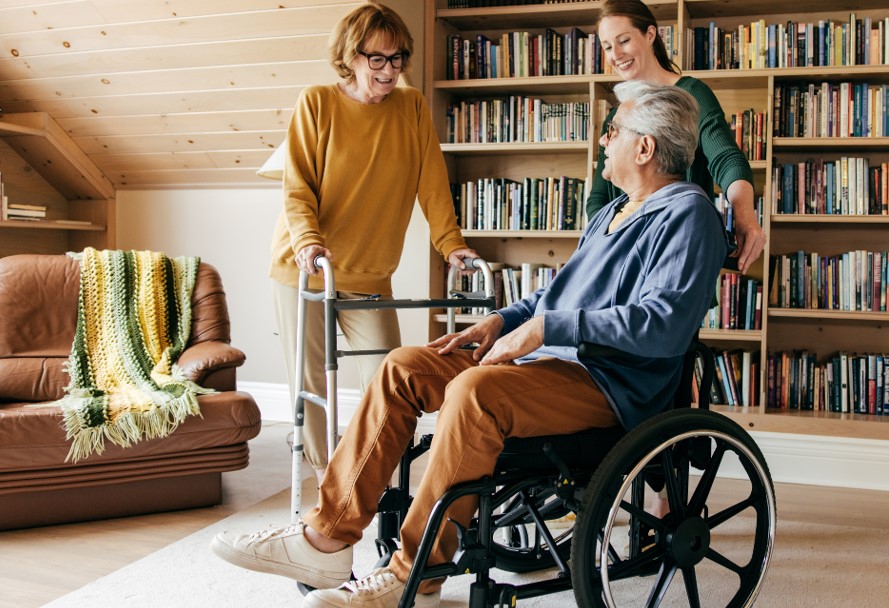
As loved ones age, families often face the delicate challenge of ensuring their safety while preserving their autonomy. Maintaining independence is essential for emotional well being, self esteem, and overall quality of life, yet increasing physical or cognitive limitations may require additional oversight. Striking a thoughtful balance between freedom and supervision is one of the most important aspects of elder care.
This balance is rarely static. It evolves as needs change, health conditions progress, and daily routines shift. Families must remain attentive, flexible, and proactive in adapting care approaches that both support independence and safeguard against potential risks. Understanding how to create this balance can lead to more positive outcomes for older adults and greater peace of mind for those who care about them.
Understanding Individual Needs and Abilities
The foundation of balancing independence and supervision begins with a comprehensive understanding of an aging individual’s abilities. Every person experiences aging differently, and factors such as mobility, cognitive health, and chronic conditions all play a role in determining the level of support required.
Families should take time to observe daily habits and identify areas where assistance may enhance safety without unnecessarily limiting autonomy. For example, an individual who manages personal hygiene independently may still require help with medication organization or transportation to appointments. Recognizing these distinctions allows caregivers to offer targeted support rather than broad restrictions.
Professional assessments can also provide valuable insights. Healthcare providers and care specialists can evaluate physical and cognitive capabilities, helping families establish a realistic care plan that respects independence while addressing safety concerns. Facilities such as Heartfields at Cary often incorporate personalized care assessments into their approach, ensuring residents receive a level of oversight tailored to their unique needs.
Creating a Safe and Supportive Living Environment
A safe environment plays a significant role in allowing older adults to maintain independence. Simple modifications within the home can reduce risks and empower individuals to perform daily activities with confidence. These adjustments often include installing grab bars, improving lighting, removing tripping hazards, and ensuring easy access to frequently used items.
Technology can further enhance safety without imposing constant supervision. Devices such as medical alert systems, smart home sensors, and automated lighting provide reassurance while allowing individuals to maintain their routines. These tools enable caregivers to monitor potential concerns indirectly without interfering with day to day independence.
In communal living environments, thoughtful design supports both safety and autonomy. Clear pathways, accessible common areas, and intuitive layouts allow residents to navigate spaces easily. When older adults feel secure in their surroundings, they are more likely to remain active and engaged, which contributes positively to both physical and mental health.
Encouraging Decision Making and Personal Control
Maintaining a sense of control is critical for emotional well being, especially as individuals age. Encouraging older adults to participate in decisions regarding their care helps preserve dignity and fosters a sense of independence. This can involve discussing daily schedules, meal preferences, hobbies, and even broader decisions about living arrangements or care services.
Open communication is key in this process. Families should approach conversations with empathy and respect, ensuring that their loved ones feel heard rather than directed. By including them in decision making, caregivers create a collaborative dynamic that strengthens trust and reduces resistance to necessary support measures.
It is equally important to allow room for choice, even when supervision is required. For example, an individual may need assistance with mobility but can still decide how to spend their free time or which activities to engage in. This balance between guidance and freedom helps maintain a positive outlook and reinforces a sense of independence.
Establishing Clear Boundaries for Safety
While independence is vital, clear boundaries are necessary to prevent harm. Establishing these boundaries requires careful consideration of potential risks and proactive planning. Families should identify specific situations where supervision is essential, such as medication management, driving, or navigating unfamiliar environments.
Setting boundaries works best when it is framed as a measure of support rather than restriction. Explaining the reasoning behind decisions helps older adults understand that these measures are intended to protect their well being. Consistency is also important. Once boundaries are established, they should be upheld to avoid confusion and maintain trust.
Supervision does not always mean constant oversight. Instead, it can involve periodic check ins, scheduled assistance, or the use of monitoring tools that provide reassurance without being intrusive. This approach allows caregivers to remain attentive while still granting space for independence.
Building a Network of Support
Balancing independence and supervision is rarely a task that families can manage alone. Building a strong network of support can significantly ease the responsibility while improving the quality of care provided. This network may include healthcare providers, professional caregivers, community programs, and family members who share responsibilities.
Collaborative care ensures that no single person becomes overwhelmed and that the aging individual receives consistent attention. Professional caregivers can offer specialized support, such as physical therapy assistance or cognitive care, while family members provide emotional connection and familiarity.
Social engagement is another important component of support. Encouraging participation in group activities, community events, or wellness programs helps older adults maintain a sense of belonging and purpose. This engagement contributes to overall well being and reduces the risk of isolation, which can negatively impact both mental and physical health.
Conclusion
Balancing independence and supervision for aging loved ones is a nuanced process that requires empathy, adaptability, and thoughtful planning. By understanding individual needs, creating supportive environments, encouraging personal decision making, establishing clear safety boundaries, and building a strong support network, families can achieve a balance that respects autonomy while ensuring protection.
This approach not only enhances safety but also preserves dignity and quality of life. When older adults feel empowered to maintain their independence within a secure framework, they are more likely to remain engaged, confident, and fulfilled. For families, this balance provides reassurance that their loved ones are both cared for and respected, creating a more positive and sustainable caregiving experience.