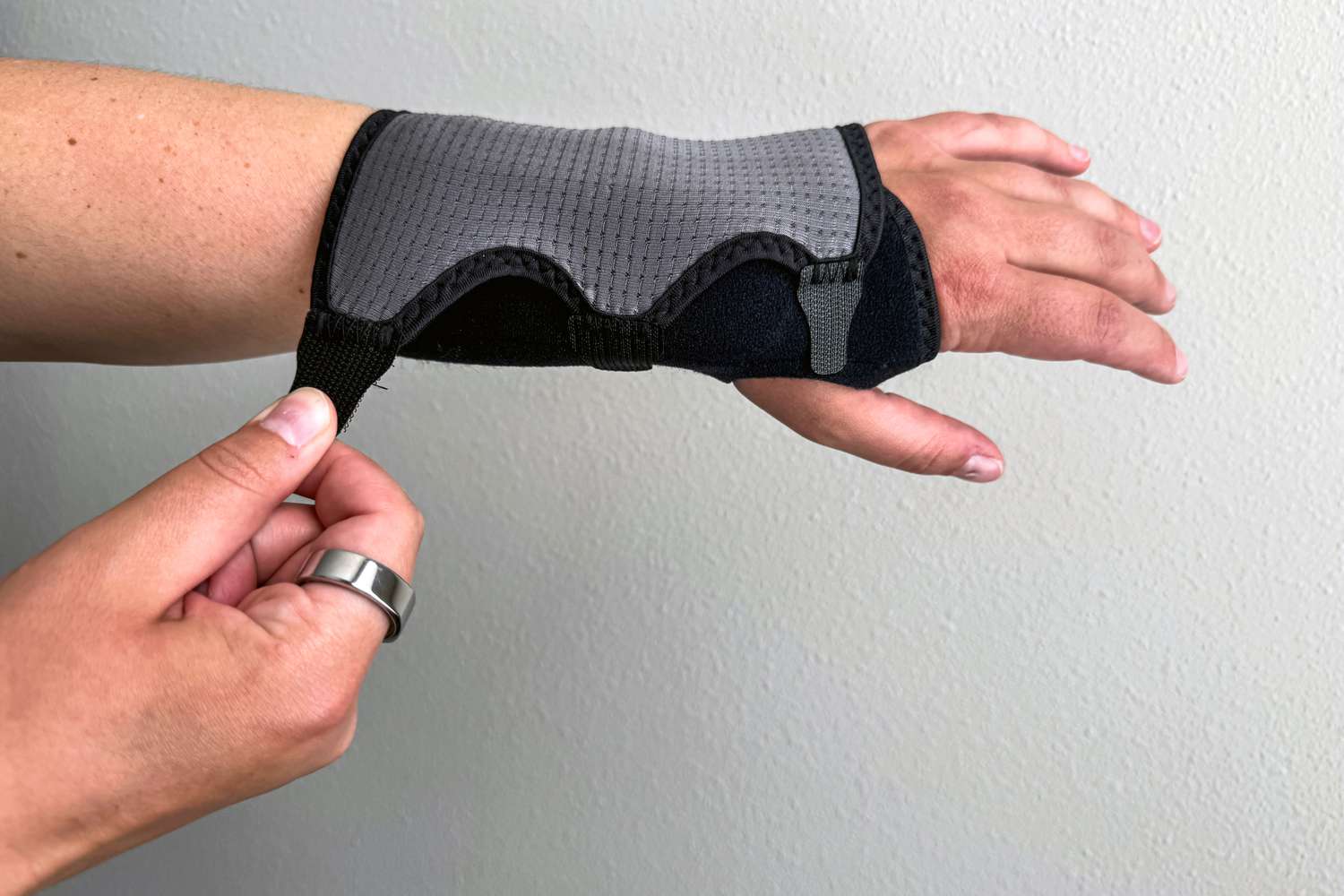
Wrist pain can happen to anyone. Office workers who type all day and athletes who work out hard in the gym can both get it.
If your wrist hurts, listen to your body. Don’t ignore pain that keeps happening. Only go back to activities when you feel better.
Here are some common ways to deal with wrist problems. Learn how to spot the signs of what causes wrist pain and how to seek help. Know when to see a doctor.
You will also find tips on how to prevent wrist injuries. Take breaks often. Do some easy stretches.
What is Wrist Pain? How does it occur?
Wrist pain results from sudden impacts like falls onto outstretched hands, repetitive stress from tasks like typing, or underlying medical conditions like fractures, sprains, and dislocations. Also, chronic conditions such as carpal tunnel syndrome or tendonitis can cause swelling and stiffness in the wrist that lasts for a long time.
1. Carpal Tunnel Syndrome
Carpal tunnel syndrome is a very common disorder affecting the wrists. This involves pain, numbness, and a tingling feeling in the wrist and hands. It occurs when the nerve is pressed as it goes to the wrist and fingers, particularly at night. You can also experience weakness in the thumb.
What should I do about it?
If you want to overcome and manage the symptoms at home, a Wrist Splint is often the best choice. Wearing the splint support as advised, especially at the time of sleep, keeps your wrist in a neutral position for right healing.
What does it feel like?
You may feel a dull ache in your hand or wrist. It can also feel numb or tingly. The pain can make it hard to move your hand or wrist. If the pain is severe or your hand feels weak, you should see a doctor.
Can I still work with the carpal tunnel?
If you have a job that includes repeated typing and lifting, then you should take regular breaks. If the Wrist Splint fails to help within a few weeks of use, see a physiotherapist.
2. Wrist Sprains and Strains
A sprain refers to the stretching or tearing of the ligaments that hold the bones of the wrist joint together. Such an injury is caused by a fall or a twist.
What does a wrist sprain feel like?
It might hurt and swell around the wrist joint. Your wrist may also appear bruised, and the pain will increase whenever you attempt to move or grab anything.
What should I do for a sprain?
If you have a sprain, it is recommended to follow the RICE method: Rest, Ice, Compression, and Elevation. For gentle compression and relief from swelling and pain, you should wear a flexible wrist band.
Don’t ignore severe pain and related symptoms; see a doctor immediately, as this could indicate a more serious tear or a fracture.
3. Repetitive Strain Injury (RSI)
RSI is pain felt in the muscles, nerves, and tendons caused by repetitive movement and overuse. It is very common among people who use computers for long periods.
What does RSI feel like?
It usually begins with a sharp ache or stiffness in the wrist. The condition worsens if you continue using the affected area without any rest, resulting in severe pain that interferes with normal work.
What can I do for RSI?
The key to treating RSI is to take rest. Applying a cold compress wrapped in a cotton cloth to the painful area for 20 minutes multiple times a day may help. Always wear a wrist brace while engaging in simple activities for support and relief.
4. Tendonitis
Tendonitis is the swelling of the tendons. It often occurs if you suddenly increase the intensity of your workouts or start a new manual hobby.
What does tendonitis feel like?
The pain is often sharp and occurs when you move your wrist in a specific direction. You might feel a sharp sensation or see visible swelling along the tendon.
What should I do about tendonitis?
Stopping the activity that caused the pain is essential. Using a Wrist brace can help by limiting movement and allowing the tendon to heal without being constantly stretched. See a doctor if the pain does not go away after a week of rest.
5. Choosing Between a Wrist Support and a Brace
Understanding which product to use depends on the severity of your injury and your daily needs.
The Wrist Band (Support)
A wrist band is usually made of flexible, breathable fabric. It provides compression and warmth.
Best for: Minor strains, preventing injury during sports, and providing light support for RSI.
Benefit: Allows for a full range of motion while keeping the joint stable.
The Wrist Brace
A wrist brace is more rigid and often contains metal or plastic stays to keep the wrist from moving.
Best for: Healing after a moderate sprain, managing tendonitis, or recovery after surgery.
Benefit: Provides high-level stability and prevents bad movements.
The Wrist Splint
A hand wrist splint is a type of rigid brace specifically designed to hold the wrist in a neutral or straight position.
Best for: Carpal Tunnel Syndrome and night-time use.
Benefit: Maximum protection and nerve decompression.
Tips for Preventing Wrist Injury
Set up your workspace
It is important to have an ergonomic desk setup. Ensure your keyboard and mouse are at a height where your wrists remain straight rather than bent upwards or downwards.
Warm up your joints
Before starting work or exercise, perform gentle wrist circles and stretches. This warms up the tendons and helps prevent sudden strains.
Build intensity slowly
Do not increase your workload or exercise intensity too quickly. Give your muscles and tendons time to adapt to new movements over several weeks.
Staying Motivated During Recovery
Being unable to type, lift, or play sports can be very frustrating. If you are used to being active, you might be tempted to push through the pain.
However, taking the time to rest now will help you get back to your normal routine much faster. Focus on what you can do, such as lower-body exercises or simple walking, to stay active while your wrist heals. Working with a partner or a physiotherapist can also help you stay on track with your recovery goals.