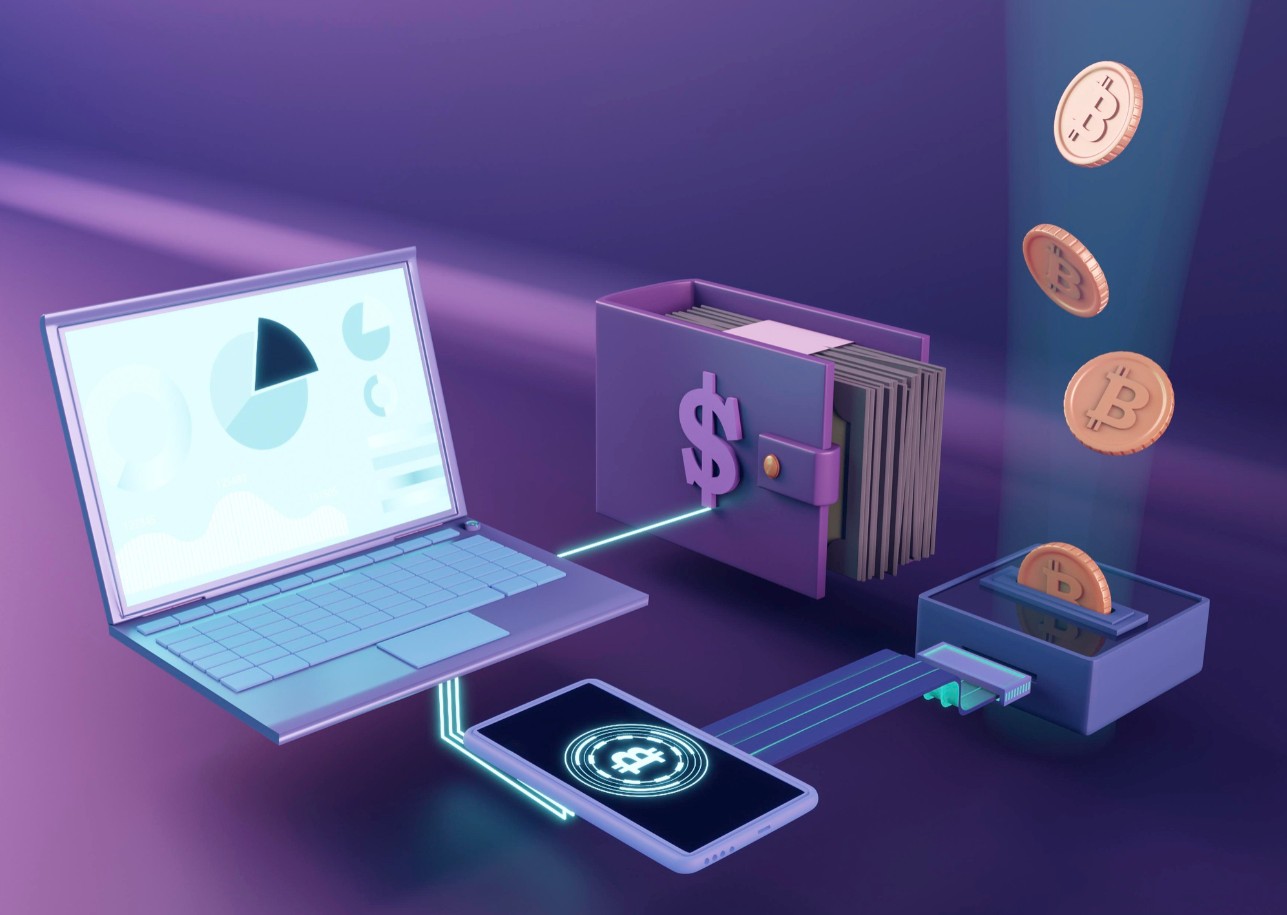
The concept of a “wallet” has changed dramatically over time. What once meant a physical place to hold cash and cards has now become a digital system capable of managing multiple forms of value, transactions, and financial decisions.
In today’s fintech landscape, a wallet is no longer just about storage. It is about control.
Beyond holding money: the modern wallet role
Traditional wallets—both physical and digital—were designed to hold funds. You stored money, accessed it when needed, and that was it.
Modern financial wallets do much more. They allow users to:
- Manage multiple balances at once
- Separate funds by purpose or currency
- Send and receive money instantly
- Interact with both fiat and digital assets
- Track transactions in real time
This shift transforms the wallet from a passive container into an active financial tool.
Structuring money instead of mixing it
One of the biggest limitations of older financial systems was the “single balance problem.” Everything—salary, savings, spending—was mixed together, making it harder to manage finances clearly.
Modern wallet systems solve this by allowing users to create multiple wallets within one account. Each wallet can serve a different role:
- Daily spending
- Monthly bills
- Long-term savings
- Travel funds
- Crypto holdings
This structure helps users avoid confusion and make more intentional financial decisions. Instead of guessing what portion of their balance is “available,” they can see it clearly.
Where fiat and crypto meet
A key feature of modern wallets is the ability to handle both traditional currency and digital assets in one place.
In the past, users needed separate platforms for crypto. Today, wallets can include:
- Euro balances linked to IBAN accounts
- Digital assets like BTC, ETH, or stablecoins
- Built-in exchange functionality between fiat and crypto
This integration removes the need for constant transfers between services and simplifies how users interact with different types of money.
Instant movement of funds
Speed is one of the defining characteristics of modern wallets. Users expect to move money quickly, whether it’s sending funds to another user, making a payment, or transferring assets globally.
Wallet systems now support:
- Instant internal transfers
- Fast SEPA transactions across Europe
- Crypto transfers without geographical limitations
This level of speed changes how people think about money. Instead of planning around delays, users can act immediately.
The wallet as a spending hub
While wallets manage balances, they also connect directly to spending tools. Payment cards and mobile payment systems act as extensions of the wallet, allowing users to access their funds in real-world scenarios.
This means a wallet is not just where money sits—it is where spending decisions begin.
Users can:
- Pay online or in-store
- Use mobile payment options like Apple Pay
- Withdraw cash when needed
- Track spending instantly
The wallet becomes the central hub of financial activity.
Rewards built into the system
Another layer of modern wallets is the integration of rewards. Instead of separate loyalty programs, rewards are often tied directly to wallet usage.
For example:
- Cashback on purchases made through linked cards
- Bonuses for maintaining certain balances
- Incentives tied to specific spending categories
These features encourage more active engagement and make everyday financial actions slightly more rewarding.
Security as a unified foundation
As wallets handle more functions, security must operate across all layers. From card payments to crypto storage, users expect consistent protection.
This includes:
- Secure handling of payment data
- Verification for online transactions
- Protection of digital assets
- Compliance with data privacy regulations
A unified security system ensures that users can move between different financial activities without additional risk.
A smarter way to manage money
The evolution of wallets reflects a broader shift in finance. People no longer want separate tools for storing, sending, and spending money. They want one system that connects everything.
Solutions like the blackcat wallet represent this new approach—where managing money is not just about access, but about structure, speed, and control.
As financial technology continues to evolve, the wallet will likely remain at the center of this transformation, acting as the interface between users and the increasingly complex world of modern finance.